At COP31 in Antalya, CLC brought business perspectives to discussions on industrial decarbonisation, carbon pricing, Nordic cooperation and the green economy. Across the events, a common message emerged: technologies and solutions are advancing, but scaling them requires stronger demand, predictable policy and closer cooperation between business, policymakers and research.
Scaling near-zero emission steel: from first movers to global markets
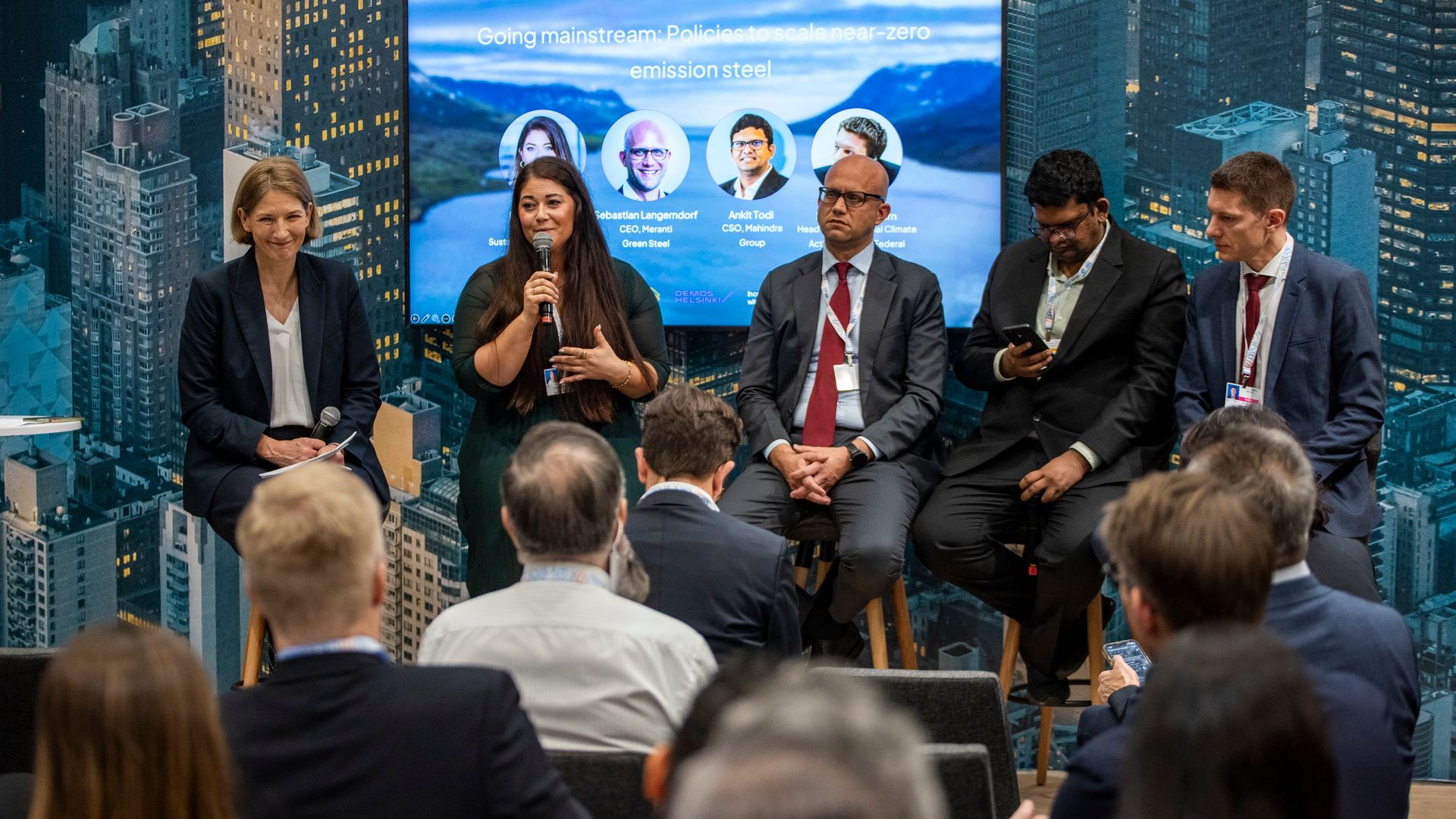
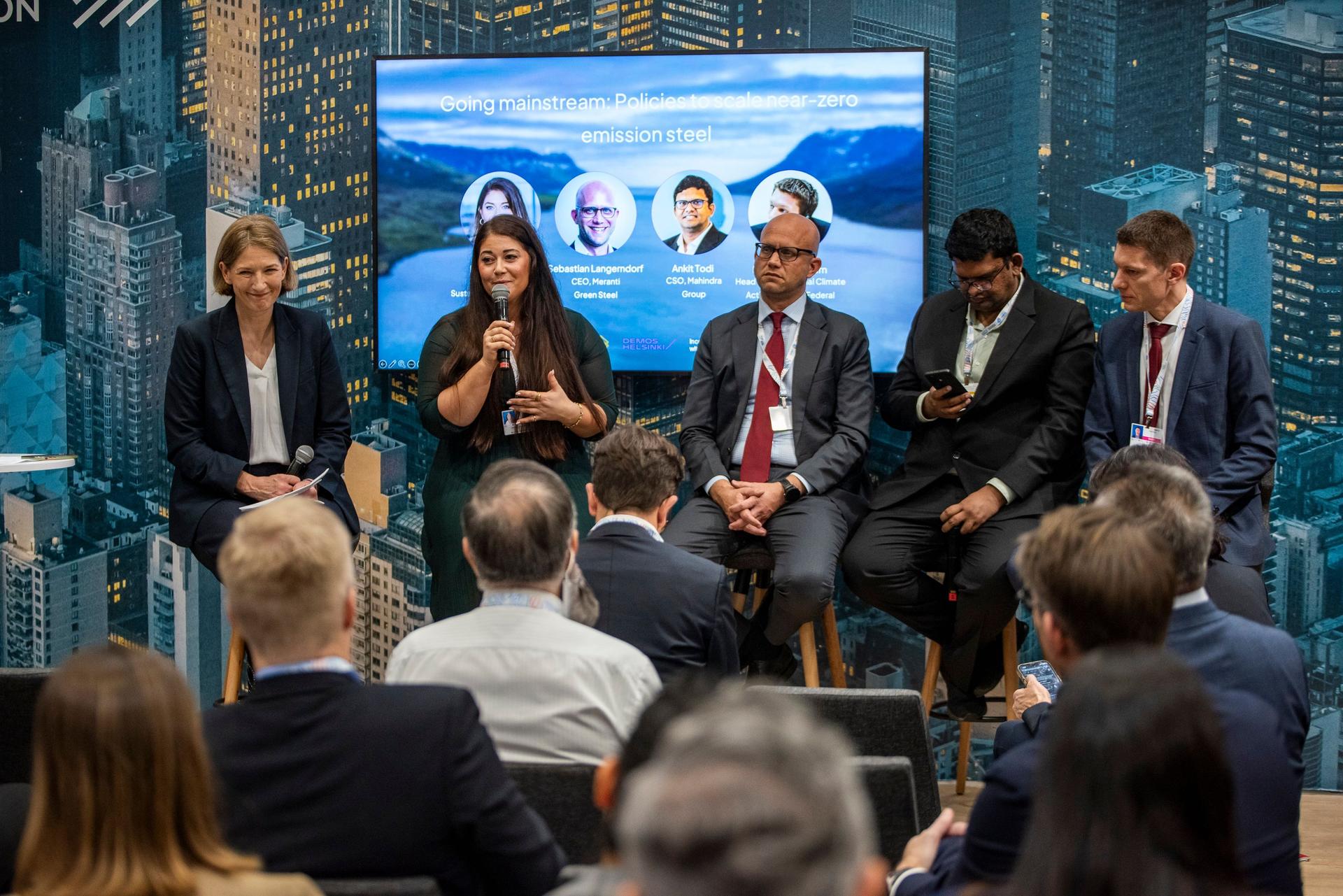
A full house gathered at the Business Pavilion to discuss what it takes to move near-zero emission steel from first movers to global markets. Together with We Mean Business Coalition, Demos Helsinki and Mission Possible Partnership, CLC brought together representatives from across the steel value chain and policy.
Industrial decarbonisation is gathering pace, but steel continues to lag behind other energy-intensive sectors. Of 189 commercial-scale deep-decarbonisation plants already financed or built globally, only seven are in steel. Hydrogen-based direct reduction is emerging as a leading route, while a larger pipeline of hydrogen-ready projects could follow if the economics allow. At the same time, new coal-based blast furnaces are still being built to meet growing steel demand.
The discussion highlighted demand as one of the biggest barriers to scaling. Policy-driven demand for low-carbon steel remains below 1% of the market. Competitive clean power, carbon pricing, demand creation through regulation and public procurement, and financial de-risking were identified as four key conditions for moving more projects towards final investment decisions. Targeted measures in these areas could help unlock up to ten new steel investment decisions.
The experience of first movers shows that the transition is already underway. SSAB began its HYBRIT work ten years ago and is moving towards closing its blast furnaces in Sweden before 2030. Outokumpu already produces stainless steel with a carbon footprint around 75% below the industry average. Technology providers such as Metso are developing solutions for different local conditions, while major steel buyers such as MAN Truck & Bus are preparing their procurement well ahead of price parity.
But across the value chain, the economics remain decisive. As Martin Pei of SSAB put it:
“The most important lever is putting the right cost on emissions.”
Carbon pricing therefore emerged as a central theme throughout the discussion. Alongside it, speakers highlighted the importance of reliable carbon data and standards, stronger demand signals and a firm commitment to electrification. Public procurement and lead markets can help create early demand, while predictable policy frameworks and financial de-risking can give investors the confidence needed to move projects forward.
Ultimately, the discussion pointed to a relatively clear set of requirements for scaling near-zero emission steel: competitive clean power, effective carbon pricing, stronger demand and financial de-risking, supported by credible carbon data and standards. The technologies and first projects are emerging. The next challenge is creating the market conditions that allow them to scale.
Carbon pricing: accelerating industrial decarbonisation while safeguarding competitiveness
Carbon pricing has been a long-standing focus of CLC’s work, both at COPs and beyond. At COP31, CLC and Outokumpu brought together policymakers, researchers and industry to discuss how carbon pricing can accelerate industrial decarbonisation while safeguarding the competitiveness of the industries driving the transition.
It was also fitting that the discussion was organised in the Finland Pavilion. Minister of Economic Affairs Sakari Puisto opened the event by noting that Finland introduced the world’s first carbon tax in 1990, initially at roughly one euro per tonne of CO₂. Today, 87 carbon-pricing instruments are in operation globally, covering 29% of emissions.
Carbon pricing is also spreading to some of the sectors where industrial decarbonisation is most challenging. More than 80% of emissions in CBAM sectors such as steel, aluminium, cement and fertilisers are already covered by a carbon price.
The discussion nevertheless underlined that carbon pricing cannot drive industrial transformation on its own. To decarbonise, companies also need predictable policy, safeguards against carbon leakage, stronger demand for low-carbon products and greater alignment between carbon-pricing systems internationally.
Nordic Business Mingle: the strength of the combined Nordic economy
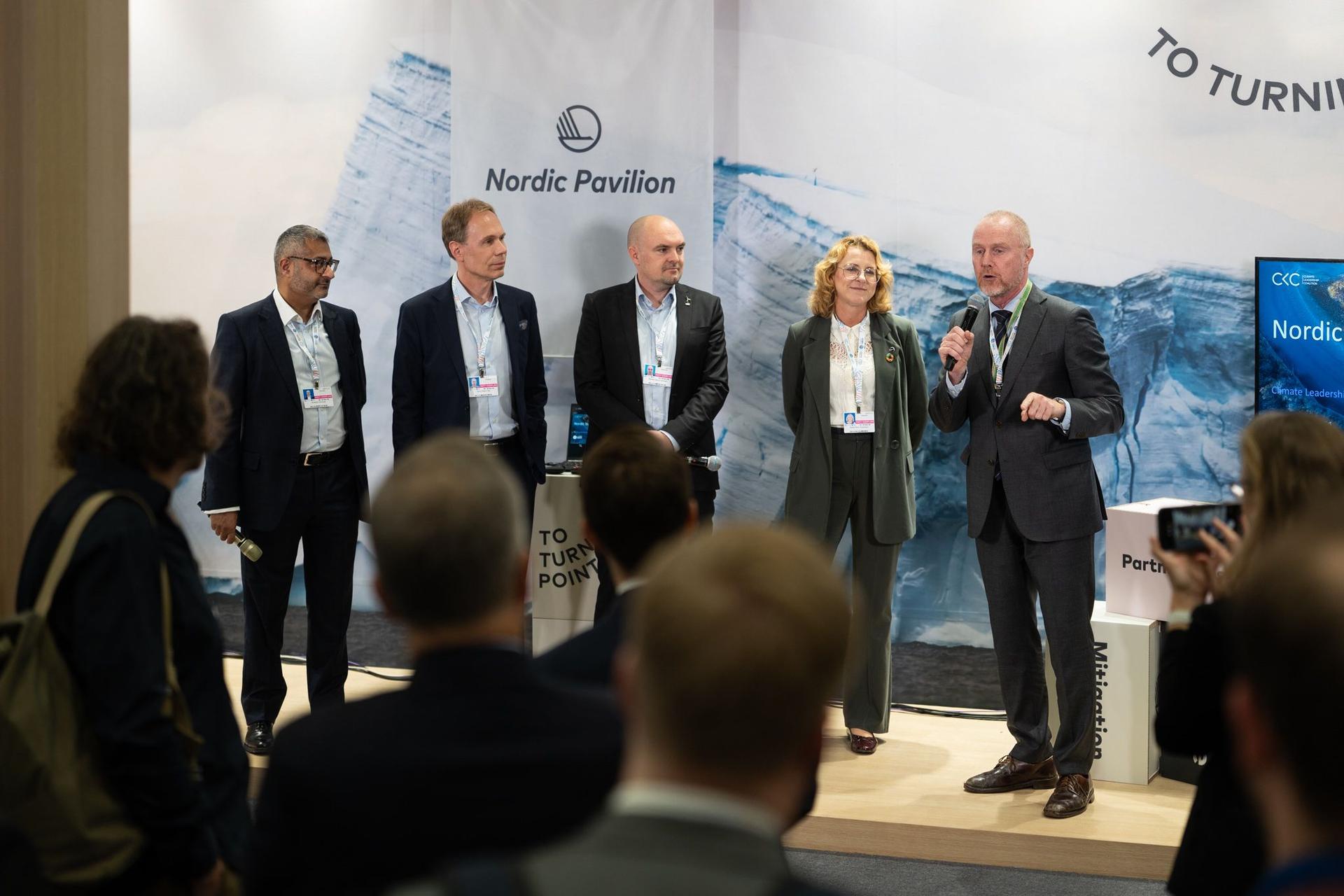
Individually, the Nordic countries are relatively small. Together, they form a substantial market. That was one of the starting points for the Nordic Business Mingle at the Nordic Pavilion, bringing Nordic business leaders together around a shared question: how can closer cooperation help scale solutions and strengthen the Nordic voice internationally?
Sweden’s Climate Ambassador Mattias Frumerie captured the idea in his opening:
“By amplifying the Nordic voices, just imagine what we can bring into the negotiations.”
Company perspectives pointed in a similar direction. Many of the technologies and solutions needed for the transition are already available. The challenge is increasingly one of implementation and scale, including creating demand for low-carbon solutions and ensuring that climate policy and competitiveness reinforce each other. Closer Nordic cooperation can help companies work across markets, sectors and value chains.
Helsinki Green Economy Initiative: bringing research, business and policy together
CLC, Aalto University and the University of Helsinki hosted a high-level event on the Helsinki Green Economy Initiative, in dialogue with the London School of Economics, at the Finland Pavilion.
President of the Republic of Finland Alexander Stubb opened the event by reflecting on the links between geopolitics, the economy, technological transformation and climate change. With conflicts dominating much of the international agenda, he argued that climate change remains one of the root causes of conflict and that tackling it requires targets and legislation alongside finance and innovation.
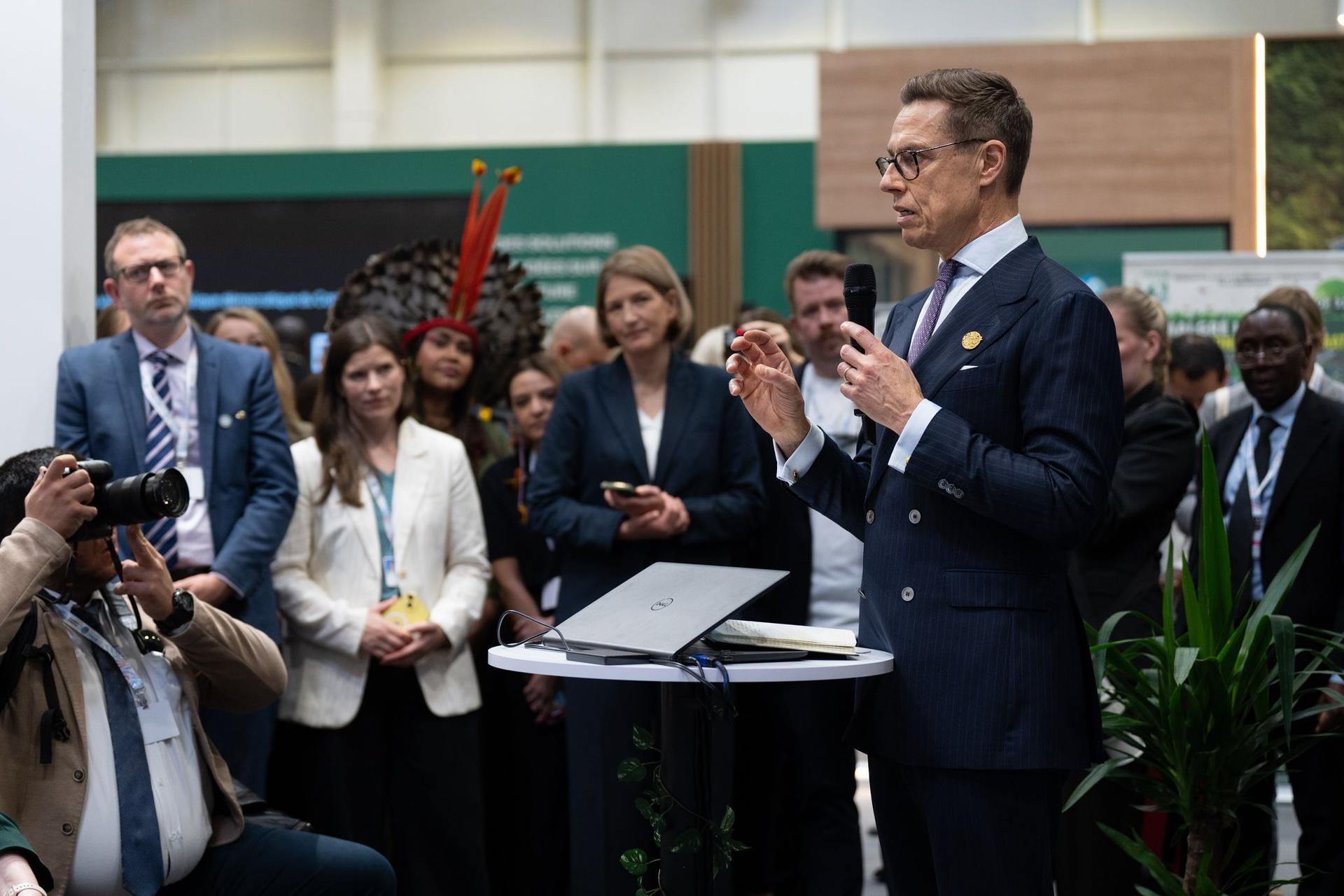
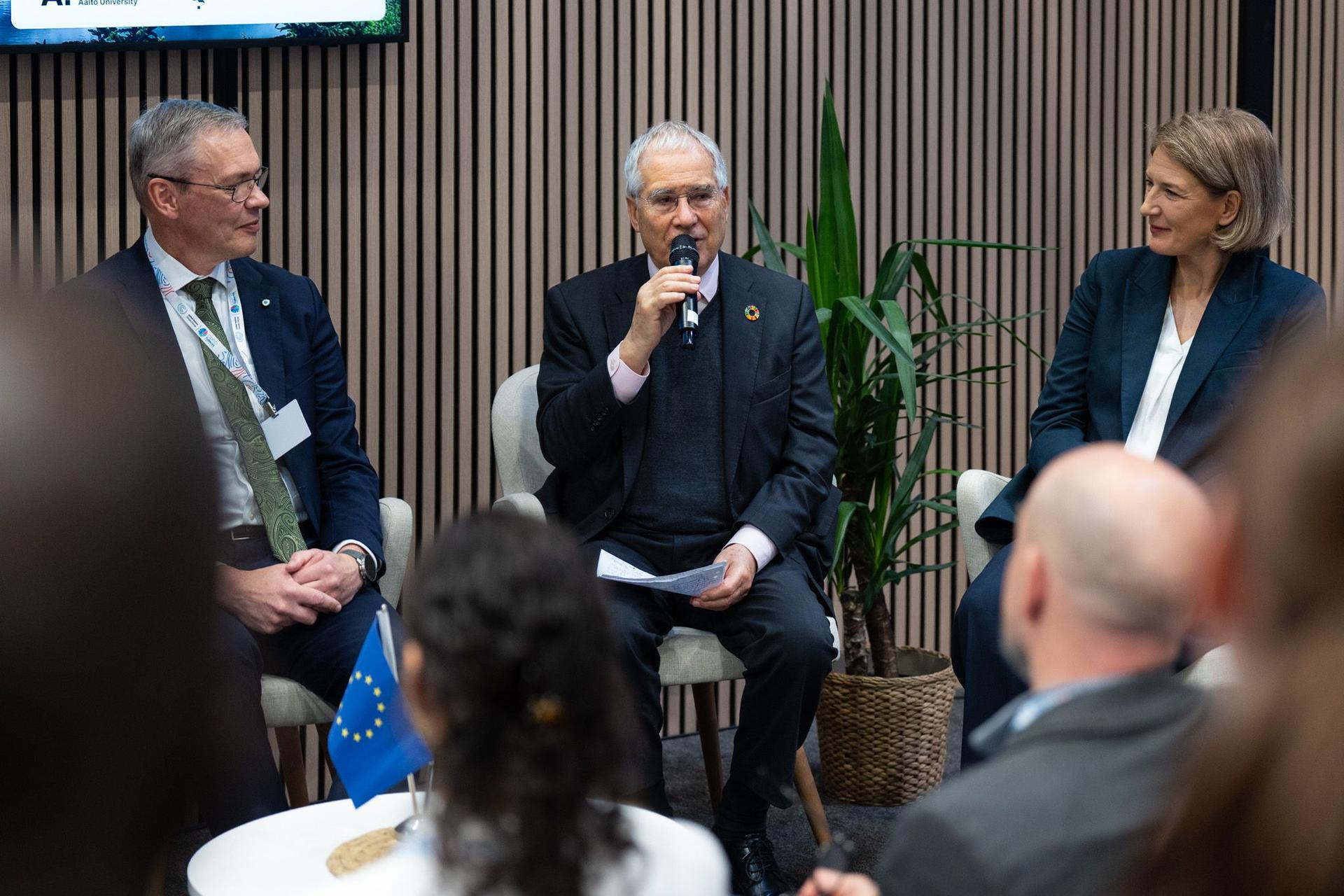
Professor Lord Nicholas Stern warned that the world is closer to dangerous climate tipping points than previously thought. At the same time, he stressed the economic opportunity: investment and innovation in climate action can drive growth, making the green transition as much a growth story as an environmental one.
Because the challenge is global, Nicholas Stern called for “coalitions of the working”: a group of countries coming together to get things done.
The subsequent discussion turned to the role of research. Climate, nature and economic questions cannot be addressed in isolation, and technology alone is not enough without management and leadership. Closer links between research, business and policy can provide better evidence for policymaking and investment while connecting research to real-world challenges.
Finland Pavilion brings Finnish solutions to COP31
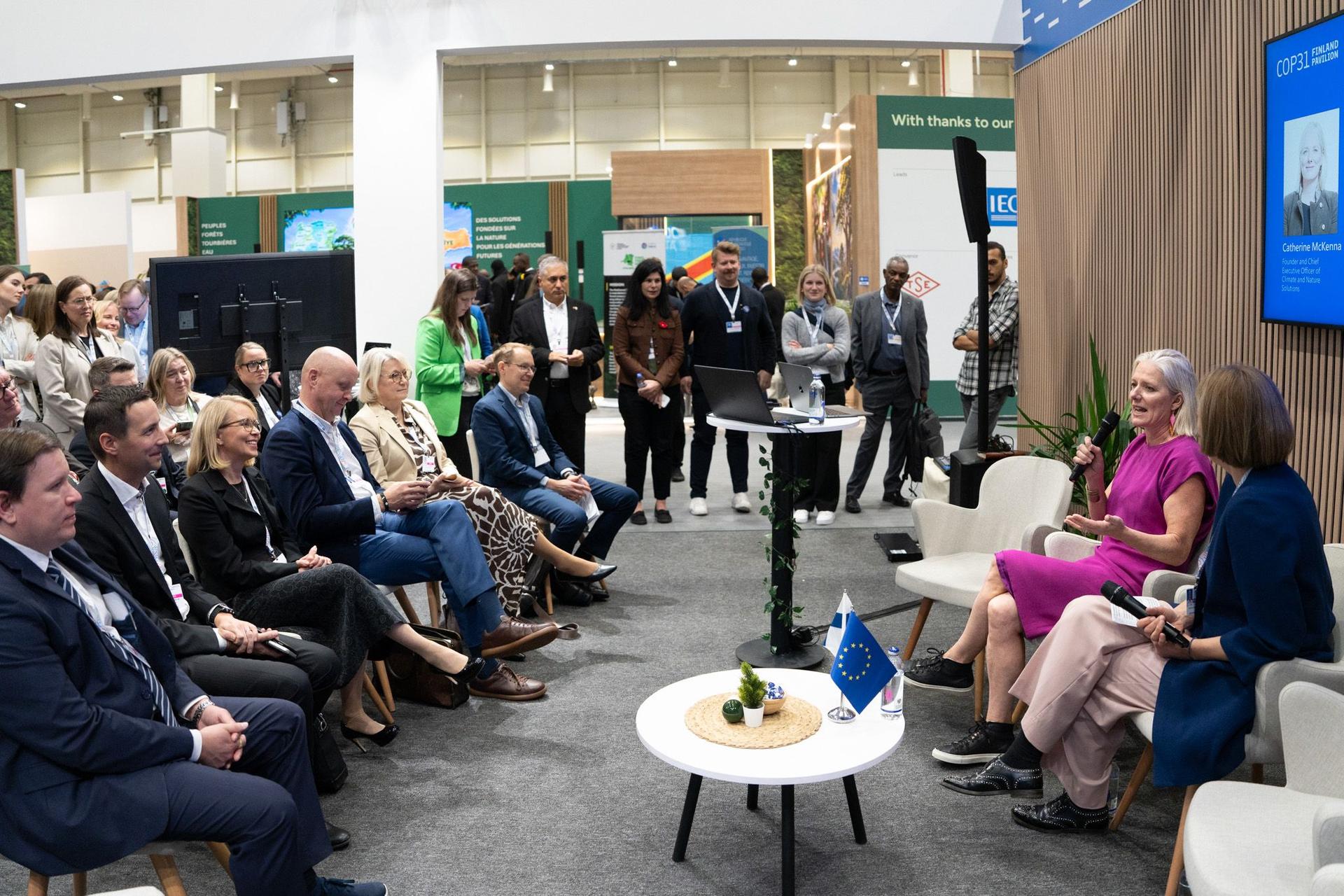
The Finland Pavilion opened on Tuesday, bringing together Finnish expertise from industry, research and innovation with CLC contributing as part of the working group behind the Pavilion. In the opening event, Minister for Foreign Trade and Development Ville Tavio highlighted the link between the clean transition, competitiveness and security, while a discussion on geopolitics, alliances and international cooperation explored why business has an important role at COP.
Former Canadian Minister of Environment and Climate Change Catherine McKenna put the business case simply:
“We need to show that the transition is where the opportunities are. That’s where the growth is. That’s where the jobs are.”
Throughout COP31, the pavilion provides a platform for Finnish organisations to showcase solutions, exchange ideas and build international partnerships.