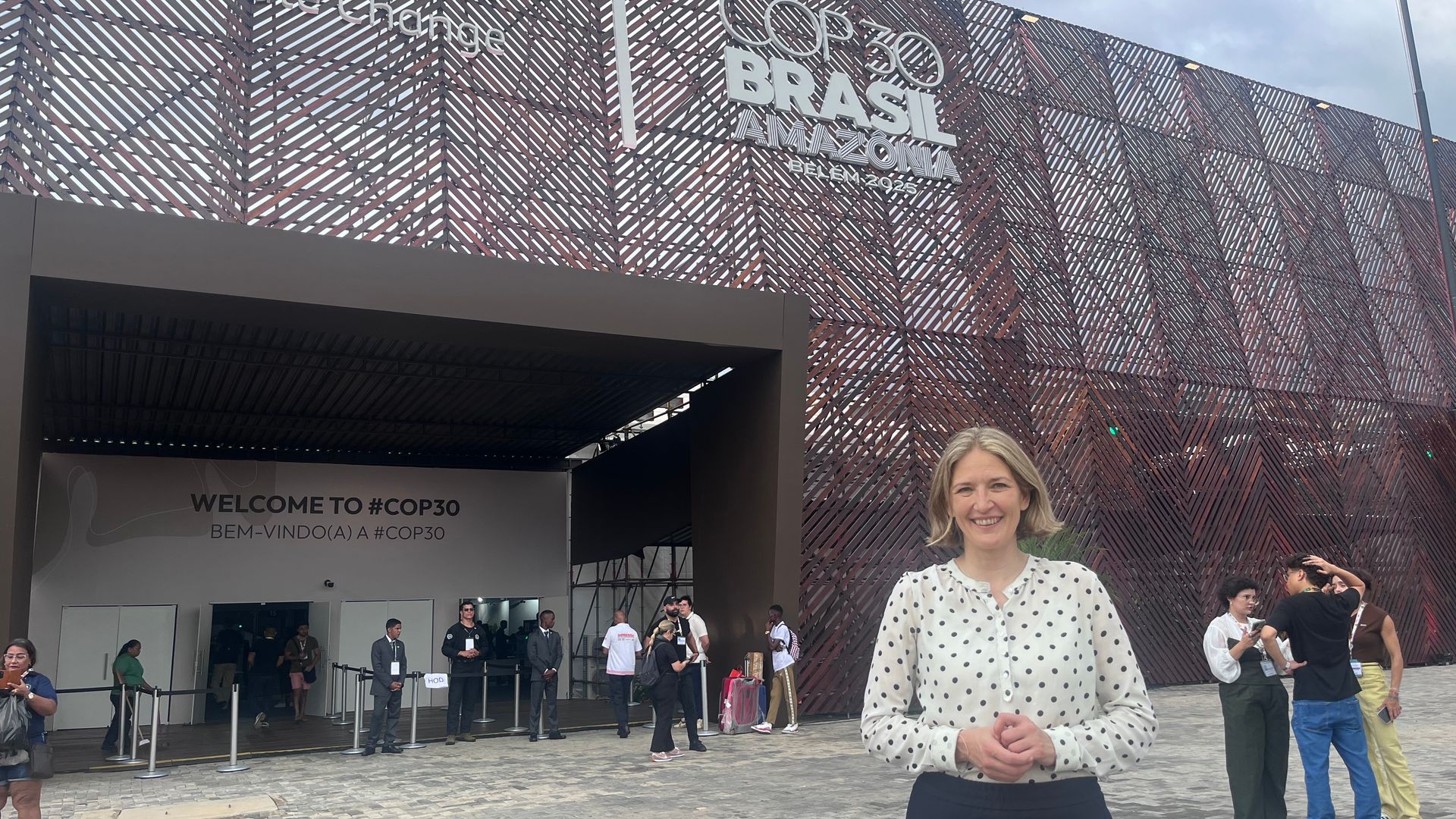
COP30 in Belém revealed the clear geopolitical reality: countries like Saudi Arabia and Russia continue to resist pressure for multilateral decisions, which is no surprise. This time, that resistance once again resulted in weak official outcomes. Yet, beyond the formal text, momentum grew. Over 80 countries committed to transition away from fossil fuels, to triple renewable energy, and double energy efficiency, building a roadmap on top of the UAE consensus, reached at COP28 in Dubai.
Nordic presence matters as we move from negotiation to solutions
The summit marked a critical shift. Climate diplomacy is moving from negotiation to implementation, and this phase cannot succeed without business leadership. Nordic companies bring proven expertise in clean technologies, industrial decarbonization, and transparent governance. Implementation is about solutions, and Nordic presence matters.
Eighteen CLC member companies, cities, and universities joined the conference to ensure Nordic leadership was visible and impactful. Especially, I want to mention the role of academic players. Aalto University, the University of Helsinki and Syke brought scientific rigor to the discussions, ensuring they were grounded in evidence and long-term climate trajectories.
Three strategic outcomes for Nordic businesses
What is clear, is that climate diplomacy continues, even without the US, and other major export markets for Nordic businesses are moving forward. The EU, allied with Latin America, secured stronger language on emissions and deforestation. Multilateralism is evolving into coalitions of the willing that combine political will with technological capability. For Nordic businesses, three outcomes stand out:
- Global Implementation Accelerator
In COP30, the Global Implementation Accelerator was launched by Brazil to close gaps in national climate pledges (NDCs) and fast-track delivery of the UAE consensus goals of phasing out fossil fuels, tripling renewables, and doubling energy efficiency and drive to zero deforestation by 2030. It is an official COP decision but on special track due to the opposition by the oil states, so a high-level event next year will review progress and identify where cooperation and investment can accelerate implementation.
2. Alliance for Fossil Fuel Transition
More than 80 countries, including Denmark, Sweden and Finland, formed an alliance to coordinate fossil fuel phase-out signaling a global shift toward coordinated action. The next milestone is a summit in Colombia in April to discuss practical steps, investments, and support for economies reliant on fossil revenues. For Nordic businesses, this is a strategic opening. Our technologies and standards can enable this transition.
3. Open Coalition on Carbon Pricing
COP30 also introduced the Open Coalition on Carbon Pricing, a multilateral initiative to make regulated carbon markets more ambitious, effective, and fair. Initiated by Brazil, signatories included China and the EU. Denmark, Finland and Sweden should be encouraged to join next. Beyond dialogue, practical steps are underway. China’s planned shift from an intensity-based ETS to an absolute cap will make the world’s largest carbon market more predictable and interoperable. For Nordic companies, this signals a future where carbon prices are real and integrated, creating competitive advantage for early movers.
Reality check: Momentum builds, pace still too slow
COP30 reaffirmed that the Paris Agreement is delivering, albeit slowly. Current projections show lower expected warming than before, clean-energy jobs have doubled to 16.2 million, 2€ trillion was invested globally in clean energylast year alone, and renewables dominate new power capacity. However, the pace is far from what was agreed upon. Future demand for green products will come from the implementation of the Paris Agreement but even more from national efforts to drive fossil phase-out and carbon pricing in the EU, Brazil, China, Turkey, Canada, and gradually India.
Next year’s COP31 will be in Turkey, but before that, the EU must reaffirm its 2040 climate goal and plan its implementation. There is plenty of work ahead at home and globally.