OSLO, COPENHAGEN, HELSINKI
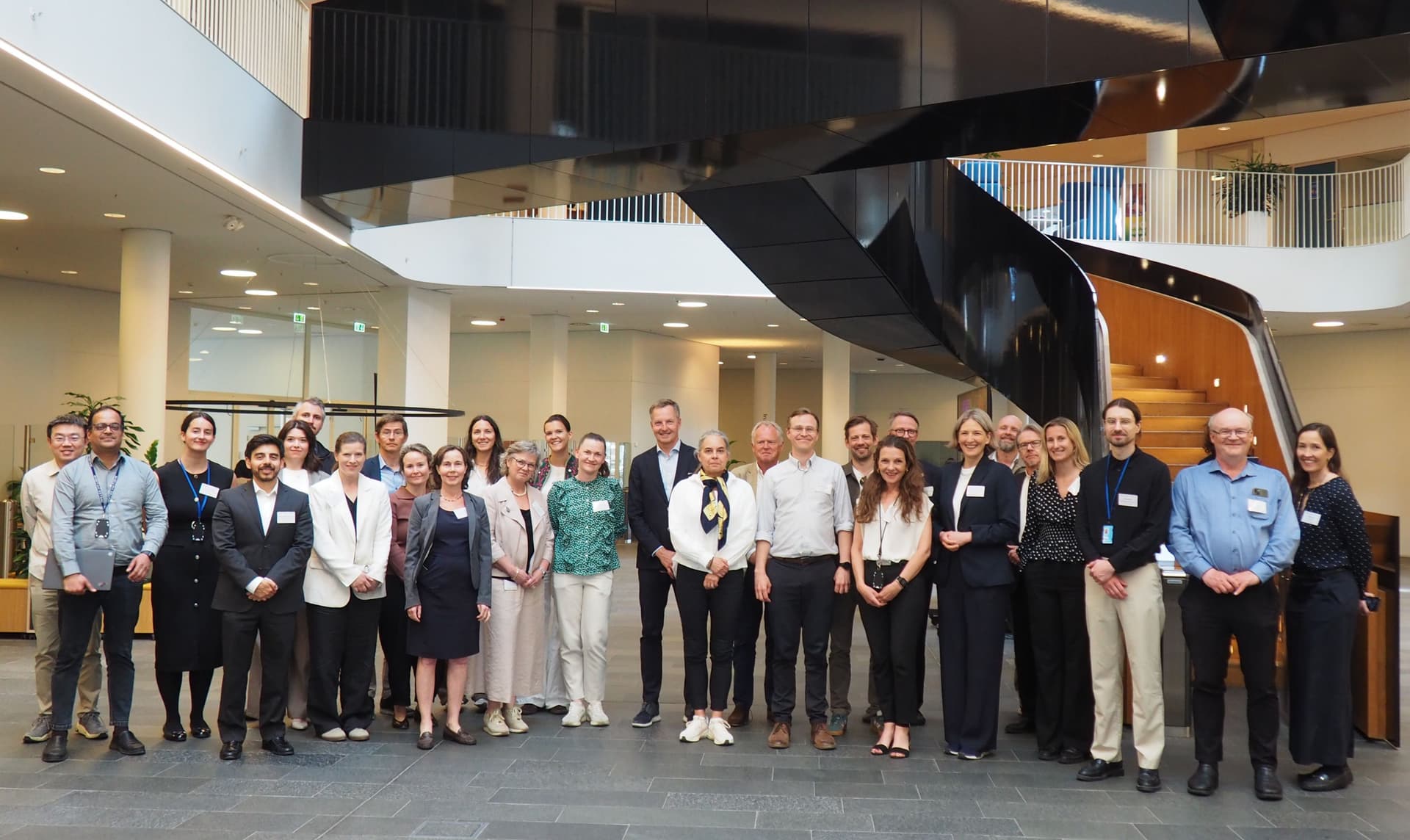
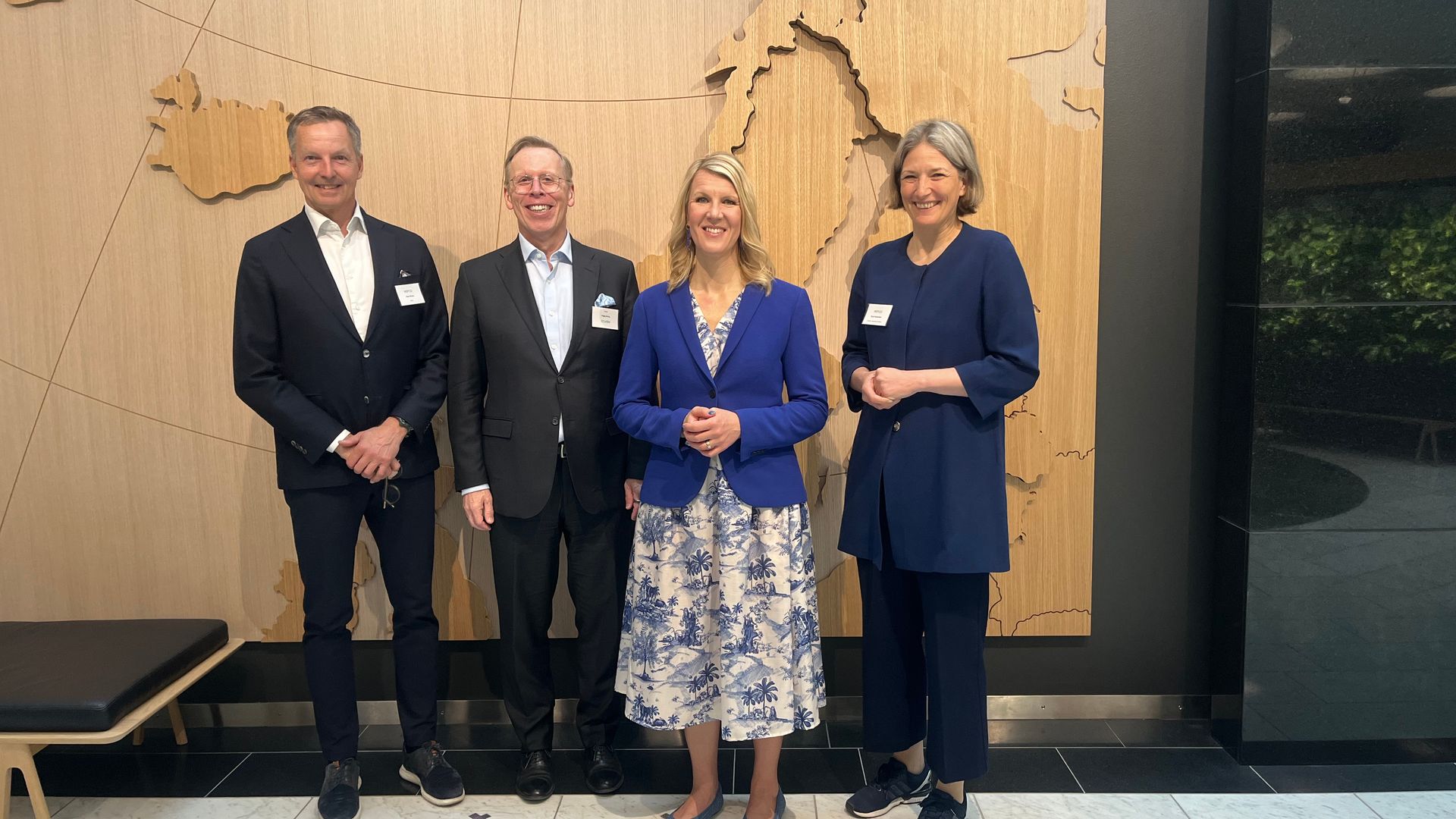
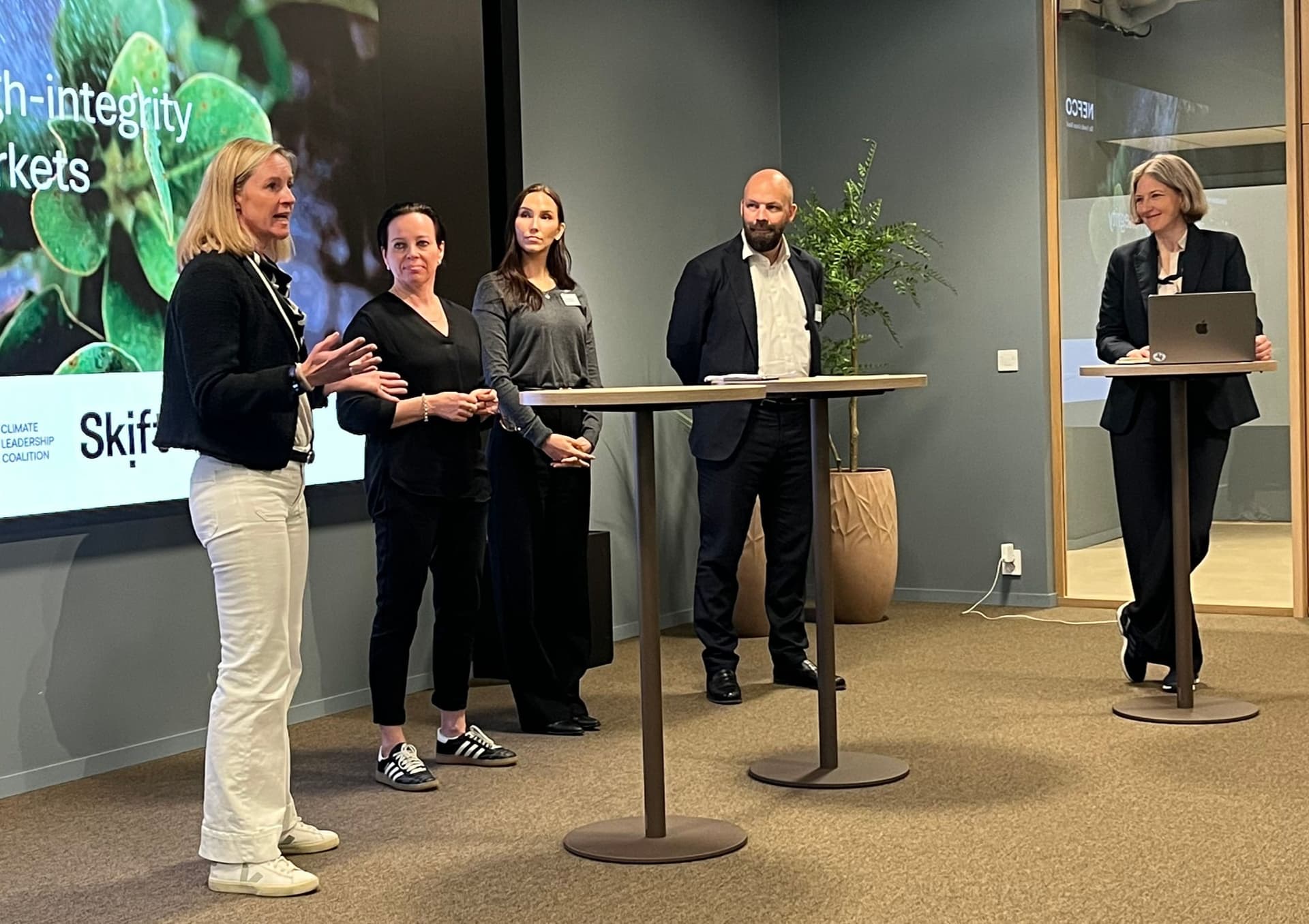
Climate Leadership Coalition and Nefco, the Nordic Green Bank, have concluded the first phase of a high level Nordic roundtable series on high integrity international carbon markets. The roundtables in Oslo, Copenhagen and Helsinki convened policymakers, business leaders and carbon market experts to examine how international carbon market cooperation under Article 6 of the Paris Agreement can be implemented in practice.
The series will continue after the summer with upcoming roundtables in Stockholm and Reykjavik.
From global rules to corporate reality
International carbon market frameworks under Article 6 are now largely in place as EU climate law defined Article 6 to be part of it. However, discussions across the three Nordic capitals underscored that corporate engagement remains at an early and exploratory stage.
For many companies, Article 6 cooperation is still associated with regulatory complexity, unfamiliar terminology and uncertainty around future demand, accounting and political risk. The roundtables highlighted a clear gap between formal readiness at the international level and practical usability for companies making long-term investment decisions.
Growing relevance for Nordic companies
Although participation in Article 6 markets is currently limited to a relatively small group of Nordic actors, the discussions showed that relevance is expanding rapidly. Early movers already include large Nordic corporations such as St1 and DNV, alongside a growing ecosystem of project developers, standards and market infrastructure actors including Klimate, Puro.earth and Gold Standard, all of whom participated in the roundtables. At the same time, many companies still approach carbon markets throughvoluntary frameworks or associate carbon dioxide removal primarily with a narrow set of technology driven buyers.
This perception is changing as the EU’s proposed 2040 climate framework prepares to allow a limited share of net reductions to be met through international units from 2036 onwards. This introduces a legally aligned flexibility tool for addressing hard to abate residual emissions, while preserving the primacy of domestic decarbonisation.
At the same time, evolving global standards such as the Science Based Targets initiative are narrowing the distinction between voluntary and compliance markets. Companies are increasingly expected to demonstrate high integrity use of credits, particularly in relation to Scope 3 emissions.
Integrity, complexity and market access
Business participants delivered a consistent message to policymakers. While integrity requirements are essential, the current market is difficult to navigate due to complex rules, fragmented standards and inaccessible language.
Participants stressed the need for clearer communication, practical examples, and credible case studies that translate technical frameworks into concrete business decisions. Simplification was repeatedly described as a prerequisite for broader participation.
Clear and predictable demand signals from governments were also identified as critical for reducing regulatory and political risk, particularly for companies holding credits on their balance sheets.
Nordic cooperation as a practical platform
Across all three roundtables, collaboration of Nordic businesses and governments was seen as a way to accelerate learning and implementation. The region brings together strong governance, advanced green technologies, climate policy credibility and experience operating in regulated compliance systems.
The roundtables form part of Nefco's stakeholder dialogue on Nordic collaboration in high integrity carbon market cooperation. Alongside the in person discussions, an open online consultation is gathering perspectives from public and private sector stakeholders to inform future Nordic approaches.